
SEE YOUR AD HERE
Over the past 48 hours, the global displacement and migration policy landscape has been shaped by the severe weaponisation of state enforcement, profound institutional collapses, and shifting legal frameworks across major transit and destination nodes. In Africa, the most urgent development is the escalation of vigilante anti-immigrant marches across major South African cities, drawing unprecedented international scrutiny as human rights monitors warn that state complicity and inflammatory political rhetoric are coalescing into an imminent threat of widespread xenophobic violence. Beyond the African continent, the single most significant story is the historic reversal of a 40-year encampment policy by Thailand, which has officially begun granting legal work authorisation to tens of thousands of Myanmar refugees, establishing a profound new precedent for economic integration in the Asia-Pacific region. Across all monitored regions, systemic deterrence strategies—ranging from the United States' highly controversial deportation of protected asylum seekers to Equatorial Guinea, to Poland's drastic 90-day extension of its militarised border exclusion zone—continue to precipitate severe humanitarian attrition and deepen geopolitical fault lines.
The following nations represent critical nodes of migration and displacement activity across the five African sub-regions that are not covered in the primary deep-dive articles:
Mali (West Africa): The leader of Mali's military government, Assimi Goïta, has officially assumed the role of Defence Minister following the death of his predecessor, Sadio Camara, during a massive wave of coordinated attacks by Tuareg separatists and extremist factions, threatening a deeper regional displacement crisis.
Nigeria (West Africa): The Federal Government has launched sweeping, immediate reforms to its expatriate administration, mandating the digital Expatriate Quota Administration Portal (EQAP) to curb severe quota abuse and automate temporary work permits, fundamentally altering the corporate immigration landscape.
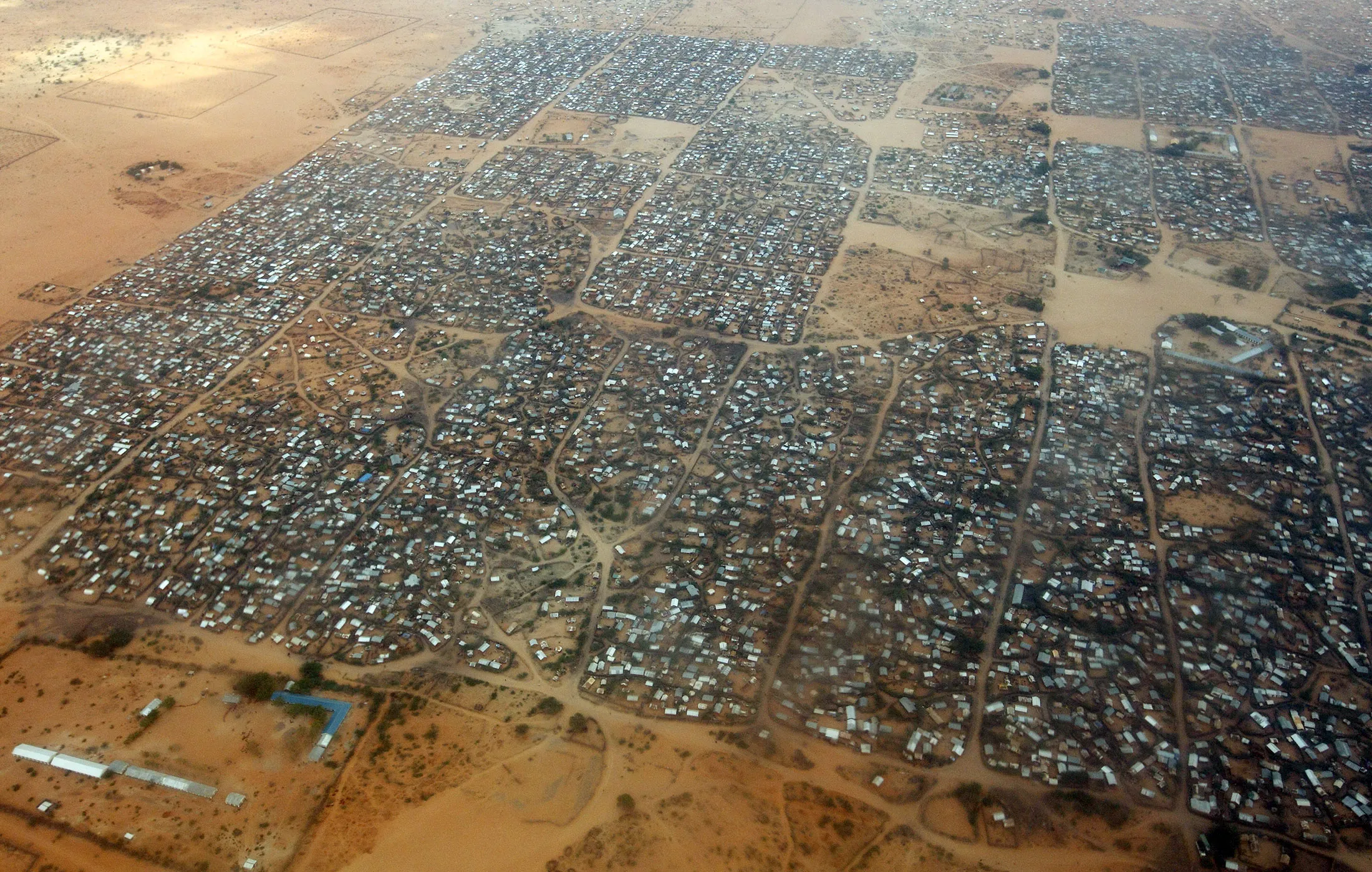
Kenya (East Africa): The Department of Refugee Services continues to face intense scrutiny over the implementation of the Shirika Plan as human rights groups urge the state to resolve the systemic issue of double registration that has trapped approximately 40,000 Kenyan citizens in biometric statelessness within the UNHCR database.
Chad (Central Africa): Authorities alongside the UNHCR and IOM are rapidly accelerating the relocation of newly arrived Sudanese refugees from spontaneous, flood-prone border sites to newly established settlements, as Chad officially logs over 926,000 arrivals since the conflict began.
Zimbabwe (Southern Africa): The government, in close coordination with the IOM, has officially launched its National Labour Migration Policy to establish a cohesive framework protecting migrant workers and regulating transnational mobility following widespread regional inconsistencies.







 English (US) ·