
 1 day ago
4
SEE YOUR AD HERE
As South Africa marks 16 Days of Activism, we will again ask why violence against women persists. We should also ask what young people learn about women, power and masculinity in digital conversations long before a crime makes the news.
South Africa remains among the countries with the highest recorded rates of intimate-partner femicide globally. A 2025 national study estimated the rate at 5.5 women per 100 000, almost five times the global average. No post or podcast explains this crisis on its own, but digital culture cannot be separated from the wider social world in which gendered violence occurs.
Misogyny does not always arrive as an explicit declaration of hatred. It can sound like relationship advice, a joke about a woman’s body, a warning that men must never show weakness or a claim that women have become too demanding. Contempt is presented as humour; control as leadership; humiliation as a lesson in respect.
Not every offensive comment leads to violence. The question is what happens when the same assumptions are repeated, rewarded and made to sound like common sense.
The history behind the feed
Patriarchy, colonialism and apartheid reorganised labour, family life and social authority along racialised and gendered lines. The migrant-labour system separated many black men from their families, while women often carried the burden of household survival and caregiving. These histories did not create one uniform masculinity or excuse present-day misogyny/patriarchal relations of power but they shaped ideas about provision, authority and manhood.
These expectations persist amid unemployment, poverty, inequality and insecure work. A young man told that his worth depends on earning money, sexual success and emotional invulnerability may struggle to meet them. The danger is not hardship itself but the claim that women, feminism or women’s independence are to blame for men’s disappointments.
Digital spaces can give that story a vocabulary and an audience. They can also offer something more constructive: connection, information and a place to talk about loneliness or mental health. The same search for belonging can lead in very different directions.
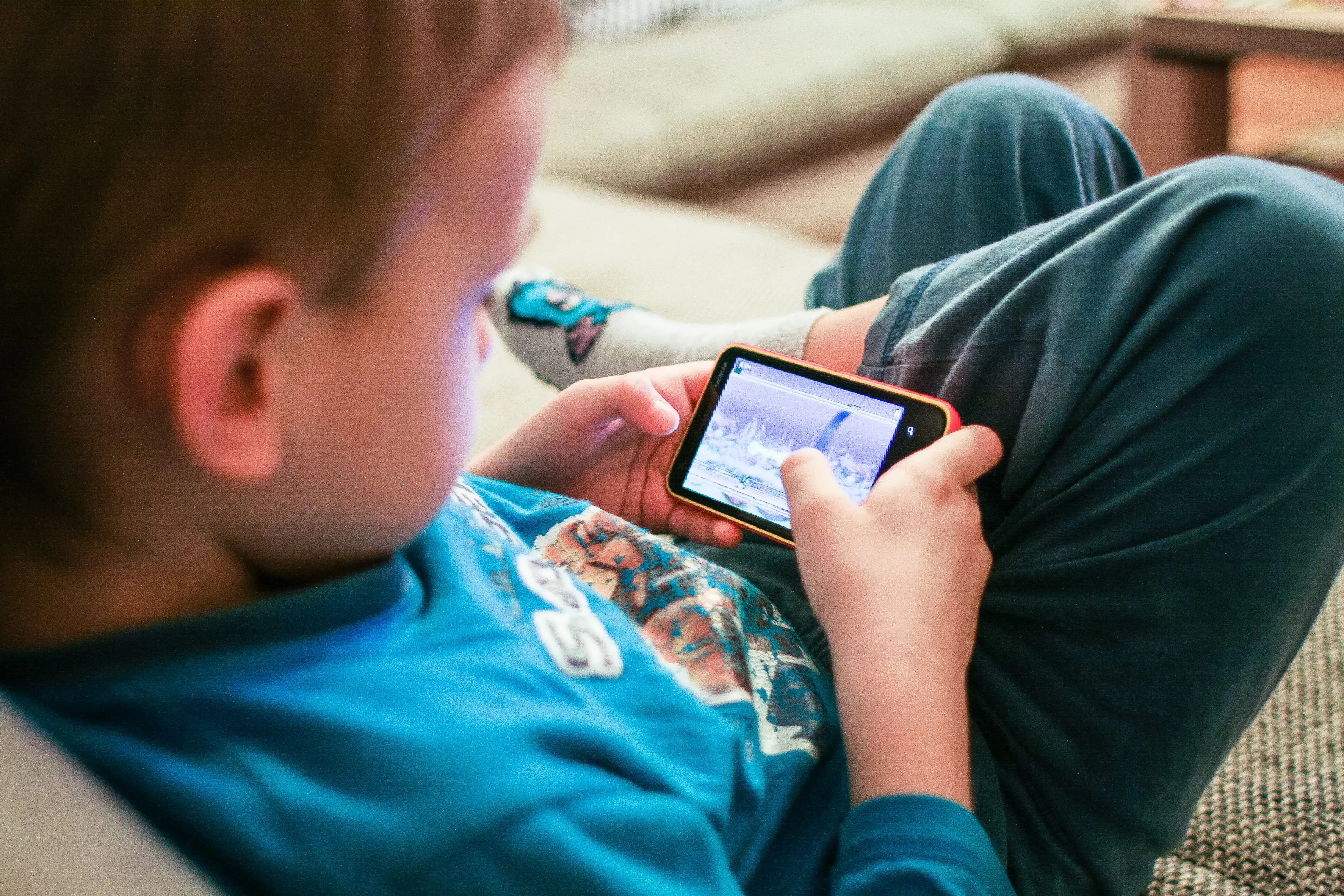
State control: Countless governments across the world have enacted a range of bans on social media for children. Australia was the first country to ban social media for adolescents under the age of 16 years. Photo: pickpik
Looking for advice, finding the manosphere
The manosphere is not a single organisation or ideology. It is a loose collection of online influencers and communities discussing masculinity, dating, men’s rights and relationships. Some address loneliness and emotional wellbeing; others turn these concerns into rigid hierarchies, hostility towards feminism and demands for control over women.
A boy may open TikTok or YouTube for fitness advice, dating tips, confidence or guidance on making money. He may not be looking for misogyny, but encounter claims that vulnerability is weakness, women are manipulative or a man’s status depends on dominance.
International figures, such as Andrew Tate, have helped popularise a model of masculinity built around wealth, sexual conquest and contempt for perceived weakness. These messages do not simply travel unchanged into South Africa. They meet local debates about unemployment, fatherhood, respectability, gender roles and what it means to be a successful man.
South African creators occupy a varied landscape. Penuel Mlotshwa, known as Penuel The Black Pen, discusses politics, fatherhood and social issues, but has also attracted criticism for statements about women and vulnerability. The point is not to reduce a creator to one remark but to recognise how polarising claims can travel alongside everyday discussion.
This is where we need to look beyond the most extreme voices. Harmful ideas can gain traction not only through explicit declarations that women are inferior but through a steady stream of claims that women are greedy, disloyal or responsible for men’s unhappiness.
Tales of Turning, a local non-profit organisation that uses social media research and technology to help prevent online and offline violence is developing a lexicon-mapping approach to examine how gendered narratives appear in digital conversations. Dialogue facilitators have observed discussions across platforms including X, Facebook, TikTok and Instagram, using keywords in different languages to track recurring language and themes.
One expression that appears in these conversations is “indoda ayikhali” (a man does not cry). The phrase can express endurance or the expectation that men should remain strong in difficult circumstances. But when it becomes a rule against expressing fear, grief or emotional pain, it can make vulnerability seem shameful. A man is expected to provide, lead and absorb disappointment, yet discouraged from saying when he is struggling.
“Body count” debates offer another window into gendered double standards. Women’s sexual histories are often used to judge their respectability, while men’s sexual experience may be treated as proof of status. The same behaviour can be celebrated in a man and used to diminish a woman.
Neither phrase is automatically misogynistic in every context. A keyword is a starting point, not a conclusion. Researchers must ask who uses it, whom it targets and what assumptions it normalises. Lexicon mapping is not simply a list of offensive words; it examines how language acquires meaning across communities.
Our observations are not, by themselves, proof that a particular expression causes violence or that a trend represents all South African men. They can, however, help identify narratives that deserve closer examination including how gender misinformation, sexual shaming and the policing of masculinity move between online discussion and offline life.
When humiliation becomes content
The normalisation of misogyny is not confined to anonymous accounts or explicitly anti-feminist spaces. It also raises questions about mainstream entertainment, where the informality of a podcast can make degrading remarks sound like harmless banter.
In April 2025, Podcast and Chill (with close to two million subscribers, is one of South Africa’s most influential podcasts, with a substantial audience across the continent) host MacGyver “MacG” Mukwevho made derogatory remarks about media personality Minnie Dlamini’s body and intimate hygiene while discussing her breakup. The comments prompted public criticism. MacG later apologised. Dlamini said the remarks had harmed her dignity and indicated she would pursue legal recourse.
The significance is not that comedy should be free of controversy. It is that a woman’s body and private life became material for public ridicule on a popular platform. What does an audience learn when a woman’s dignity becomes the punchline and when the attention generated by the insult becomes part of the show’s value?
A more disturbing example followed in September 2026, when Podcast and Chill co-host Sol Phenduka apologised after making a pun about runner Elizabeth Moselakgomo, who had been reported missing and was later found dead in Kempton Park. The remarks came amid mounting public alarm in mid-September 2026 over the discovery of multiple women’s bodies in and around Kempton Park, intensifying national concern about femicide and women’s safety.
Phenduka said the episode had been recorded while she was missing and that the remark had been made in the context of an exchange about running. He later acknowledged that joking about a missing person was distasteful, especially in a country facing high levels of femicide.
Context matters, including the fact that the joke was made before her death was known. But the episode also shows how quickly a person’s vulnerability can become material for entertainment and how the meaning of a joke can change when the wider reality becomes impossible to ignore.
The commercial incentives are clear: platforms reward attention, while creators can turn audiences into advertising, sponsorships and influence. Not every controversial remark generates profit and platforms do not cause misogyny alone. But when outrage drives views and shares, humiliation can become a business model.
Prevention starts before the crisis
Digital spaces reflect and reshape society. Technology-facilitated gender-based violence (TFGBV) including harassment, cyberstalking, image-based abuse and digitally enabled coercive control gives existing inequalities new tools and extends abuse into homes, workplaces and social lives.
The answer is not simply to tell boys to put their phones away. Parents and teachers should discuss what young people encounter online, why influencers seem credible and how confidence differs from entitlement. Boys must be able to discuss rejection, loneliness and economic pressure without being taught to blame women.
Men also have a role in challenging the jokes and claims that circulate among peers. Platforms should be more transparent about their responses to repeated harassment and gendered abuse. Researchers and civil society organisations must make their findings accessible while resisting the temptation to claim more than the evidence supports.
None of this replaces survivor support, effective policing, economic opportunity or accountability for perpetrators. Nor should the language of prevention imply that women are responsible for managing men’s behaviour. The responsibility lies with those who produce harm and with institutions that can help prevent it.
As 16 Days of Activism begins, perhaps the question is not only whether we condemn violence when it happens. It is whether we are prepared to examine the everyday conversations in which domination can be made to look admirable, humiliation entertaining and women’s autonomy negotiable.
The algorithm of misogyny does more than reflect prejudices; it can amplify them, rewarding content that provokes anger, humiliation and hostility with greater visibility. In this economy of outrage, resentment becomes currency and the boundary between expressing grievance and monetising hatred grows increasingly blurred.
Who benefits when misogynistic rage becomes a feature of our everyday digital lives? Technology companies and online personalities can turn grievance into a business model, converting resentment into engagement, attention and money while women bear the consequences.
Yet accountability cannot stop with platforms: What are parents teaching their children to believe about women, what are teachers challenging in their classrooms and what are we, as citizens, willing to confront in the jokes we share, the humiliation we excuse and the contempt we have learned to dismiss as harmless?
Language alone does not cause femicide. But the words people use can reveal what a community is learning to tolerate and what it is willing to challenge. If prevention is to mean more than outrage after another tragedy, we must pay attention to those lessons while they are still being taught.
Thandile Xesi is a South African researcher, writer and digital dialogue facilitator interested in public policy, information ecosystems and peacebuilding.



 English (US) ·