
 3 days ago
5
3 days ago
5
SEE YOUR AD HERE
Separately, addressing parliament on 25 August, President Cyril Ramaphosa said police and other security agencies were gathering evidence concerning violence against foreign nationals. He said arrests had already been made and authorities were pursuing those responsible
28 AUG 2026, 14:02
3 min read
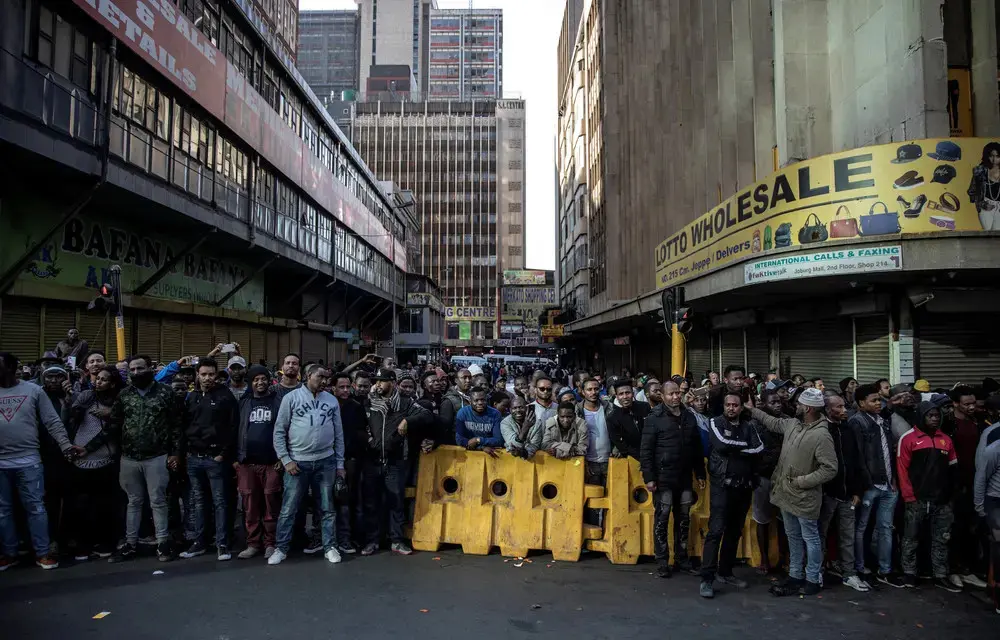
A United Nations committee has called on South Africa to prohibit and dismantle organised racist vigilante groups, citing at least four migrant killings and the displacement of at least 50,000 migrants amid a wave of xenophobic violence since early 2026.
The Committee on the Elimination of Racial Discrimination (CERD) raised concerns about inadequate policing and insufficient accountability for attacks, unlawful evictions and home raids targeting migrants, refugees and asylum seekers.
Its decision, adopted on 21 August and publicised on 27 August, adds international scrutiny to the government’s response after earlier warnings from African human rights authorities and a domestic court order requiring action against xenophobic conduct.
Separately, addressing parliament on 25 August, President Cyril Ramaphosa said police and other security agencies were gathering evidence concerning violence against foreign nationals. He said arrests had already been made and authorities were pursuing those responsible.
He was responding to Economic Freedom Fighters leader Julius Malema, who alleged that some attacks occurred in front of police without arrests, creating the impression that the violence was state-sanctioned.
CERD specifically named the Insizwa Nobunsizwa Development Foundation and March and March movement in expressing concern about racist hate speech and harmful stereotypes targeting migrants, particularly on the internet and social media.
Such rhetoric “fosters stigmatisation and intolerance and creates an environment of fear and insecurity for migrants”, the committee said.
The committee called for measures to prevent the formation of organised vigilante groups responsible for racial discrimination, hate speech and hate crimes and to prohibit and dismantle such organisations.
The committee highlighted reports of abductions, looting, destruction of migrants’ property and businesses, unlawful evictions by landlords, identity checks and home raids. Migrants also faced restrictions on access to healthcare and education.
The full decision describes inadequate investigations, prosecutions, convictions and sanctions for alleged abuses by organised vigilante groups, civic movements and law enforcement officials. It also raises concerns about severe shelter shortages, particularly in rural areas, and substandard conditions in available accommodation.
The intervention falls under CERD’s Early Warning and Urgent Action Procedure, which is intended to prevent serious violations of the international convention against racial discrimination or stop existing abuses from escalating.
The risks had already prompted a warning from the African Commission on Human and Peoples’ Rights. On 25 June, ahead of a 30 June deadline that anti-migrant groups had issued for migrants to leave South Africa, it called for stronger protection in high-risk areas, including KwaZulu-Natal.
The commission stressed that the state’s duty to protect people extended to everyone within its jurisdiction, irrespective of nationality or migration status.
A November 2025 Johannesburg high court judgment also addressed xenophobic vigilantism, interdicting Operation Dudula and its leaders from conduct including unlawful identity checks, intimidation and harassment of foreign nationals.
In a statement issued after the November 2025 judgment, Lawyers for Human Rights said the court required the government to take reasonable steps to implement the national action plan against racism and xenophobia, including an early-warning and rapid-response mechanism.
In its decision, CERD welcomed Ramaphosa’s earlier condemnation of vigilantism on 7 June and his warning against scapegoating migrants for South Africa’s socioeconomic problems. But it urged stronger measures against recurring discrimination, including action on persistent inequalities rooted in apartheid and delays in issuing and renewing migrants’ documents.
The committee warned that abuses remained underreported because victims distrusted police, feared reprisals and harassment or lacked information about their rights and complaint mechanisms.
It called for safe reporting channels, adequate shelter and access to basic services for displaced people, alongside effective, thorough and impartial investigations to “ensure accountability and end impunity”.







 English (US) ·