
 3 hours ago
1
3 hours ago
1
SEE YOUR AD HERE
May we reject false narratives in which foreign nationals are held collectively responsible for South Africa’s woes – crime, unemployment and poor public services
29 JUN 2026, 10:57
5 min read
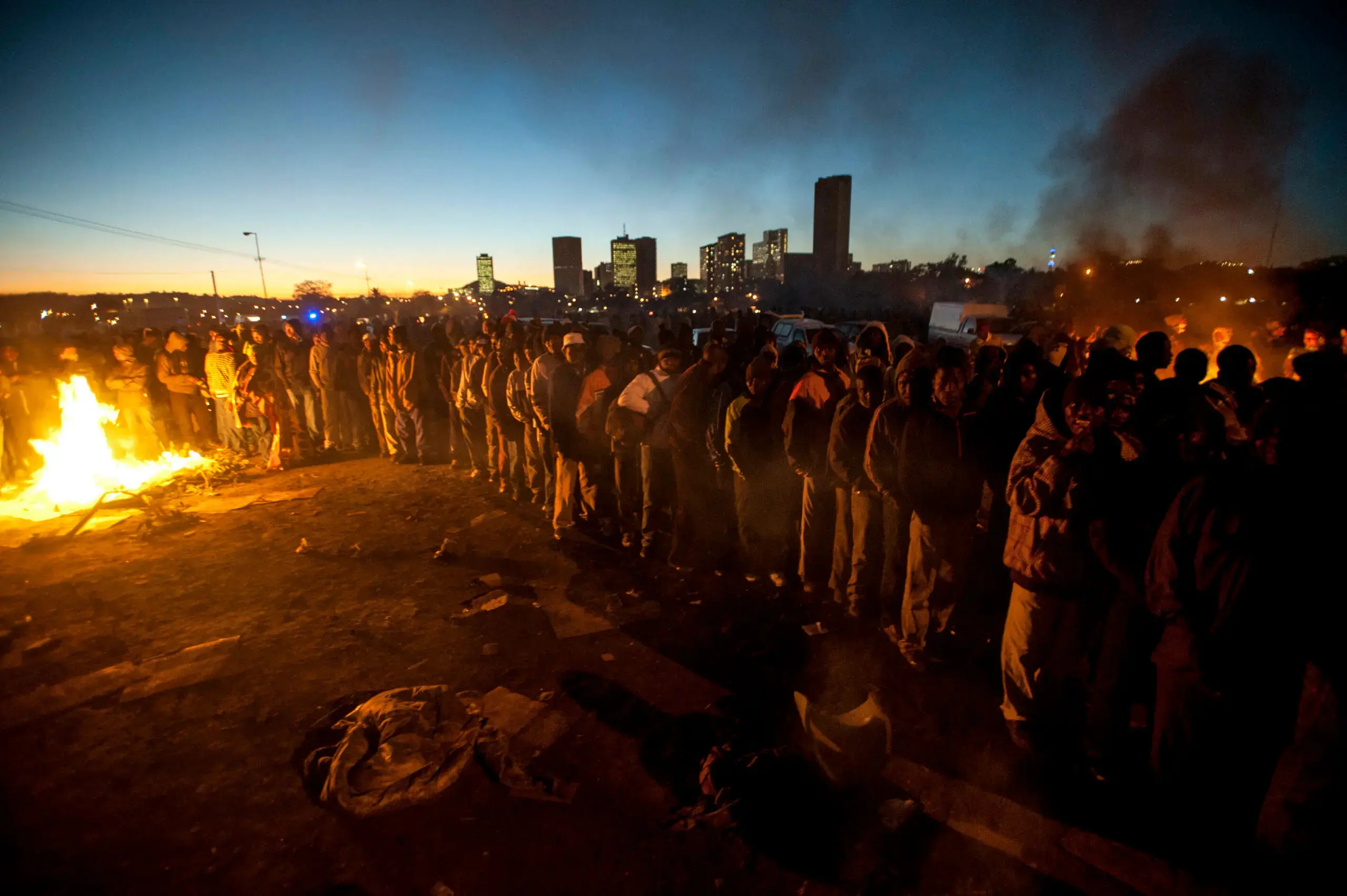
It is a chilly winter afternoon on June 5 outside the Department of Home Affairs’ Durban Refugee Reception Centre on Che Guevara Road in KwaZulu-Natal, where hundreds of African refugees, asylum seekers and their children are camped. As I walk up and down the pavement that has become “home” to these individuals since May 21, I observe mothers cradling their babies, others breastfeeding and others trying to stay warm and bask in the partial rays of sun breaking through the winter clouds. I wish it was warmer. I wish things were different. I wish someone – anyone – could intervene.
No longer a story confined to the news but a chilling reality right before my eyes that many people have tried to either deny or diminish. I oscillate between outrage and sadness at this human rights and humanitarian crisis.
For the next four hours, I spoke to 10 refugees and asylum seekers who had been harassed, intimidated or physically assaulted or had their businesses hijacked by anti-immigrant vigilante groups, other criminal gangs or disgruntled locals.
In the course of our conversations, it immediately emerged that these are not just victims of the current wave of xenophobic vigilante attacks but of the campaign by these same vigilante groups over the past year or so to deny African foreign nationals access to healthcare.
This clearly violates South Africa's Constitution, which guarantees the right to healthcare for all and prohibits refusal of emergency medical treatment. The courts have ruled against similar groups but those responsible have not been held accountable. “As we talk now, someone is being blocked from accessing healthcare at Addington Hospital [by] March and March members,” a Congolese migrant leader told me, confirming that denial of access to healthcare is ongoing with impunity.
What also emerged was the serious and insidious problem of police inaction and complicity.
A 26-year-old woman asylum seeker and salon owner told me that vigilantes physically assaulted her and looted her salon in Durban’s city centre, forcing her to abandon it. When she reported the attack, she said, she heard a police officer mockingly say, “June 30 is around the corner, mabahambe” (they must go). The police officer was referring to the fictitious, yet very real, June 30 “deadline” set by March and March for all undocumented foreign nationals to leave South Africa. The police refused to open a case and told her to go home.
This woman was one of several refugees and asylum seekers I spoke to who said the police had refused to investigate xenophobic attacks they reported. Many expressed concern that police officers held similar views to anti-immigrant vigilante groups and, in some cases, openly sided with or aided these groups.
On May 27, a well-known amabutho (Zulu regiment) leader physically assaulted a Congolese man in full view of police, just outside the Department of Home Affairs. In that instance, the police opened a case but have yet to make an arrest. All of this is consistent with other documented reports of police officers failing to protect African foreign nationals from criminal attacks and even aiding xenophobic attackers.
After the interviews, a colleague and I accompanied seven refugees and asylum seekers to Durban Central Police Station to report attacks involving xenophobic harassment or violence. We found ourselves dismissed by more than three police officers, who claimed attacks linked to “March and March” protests were being handled by public order police. But we persisted and asked that the attacks against the individuals with us at the station be investigated. After we pleaded for nearly two hours with officers on duty and escalated the matter to the station commander, police finally took statements. A few days later, the seven victims received their case numbers, including information about their investigating officers, who visited some of them for further inquiry.
June 30 deadline
March and March’s illegal efforts to set a June 30 deadline for undocumented foreign nationals to leave South Africa have left all migrants in the country, irrespective of their immigration status, in a state of fear and anxiety.
“We live in fear”, “we are scared”, “the June 2021 violence will repeat itself”, “they will kill us” and “they will loot or hijack our shops” are some of the sentiments expressed by individuals to us, fearful of violence on June 30.
The government has announced that measures have been put in place to ensure law, order and public safety on June 30, when there will be a planned shutdown and mass protests. However, I cannot help but wonder whether the boots to be deployed on the ground may include officers with anti-immigrant sentiments who often side with vigilante groups. Will they do what is necessary to provide safety for foreign nationals? If they have been looking the other way all this while, what will be different this time?
A call to humanity
As June 30 approaches, the words of singer, songwriter and activist Thandiswa Mazwai come to mind: “It’s easy and dangerous to inspire violence and hate. The greatest and hardest kind of leadership inspires people to do something beyond the immediate anger.”
May we reject reductionist language that oversimplifies complex historical, structural, social and economic challenges. May we reject false narratives in which foreign nationals are held collectively responsible for South Africa’s woes – crime, unemployment and poor public services. May we reject attempts to characterise xenophobia as activism or patriotism. May we reject invitations to abandon our humanity.
Let us instead lean into the values of our Constitution – human dignity, equality, human rights and the rule of law. Let us instead centre our shared humanity and discourse, remembering the positive impact that the exchange of ideas and perspectives can have. Let us be conduits for conversations that ignite constructive and peaceful action in our various spheres of influence.
Nomathamsanqa Masiko-Mpaka is a researcher at Human Rights Watch. X: Follow @Noma_Masiko


 English (US) ·