 1 week ago
7
1 week ago
7
SEE YOUR AD HERE
Player visits, match-day hospitality and digital campaigns amplified Rwanda’s story of post-genocide transformation, conservation (mountain gorillas) and innovation
15 JUL 2026, 11:16
5 min read
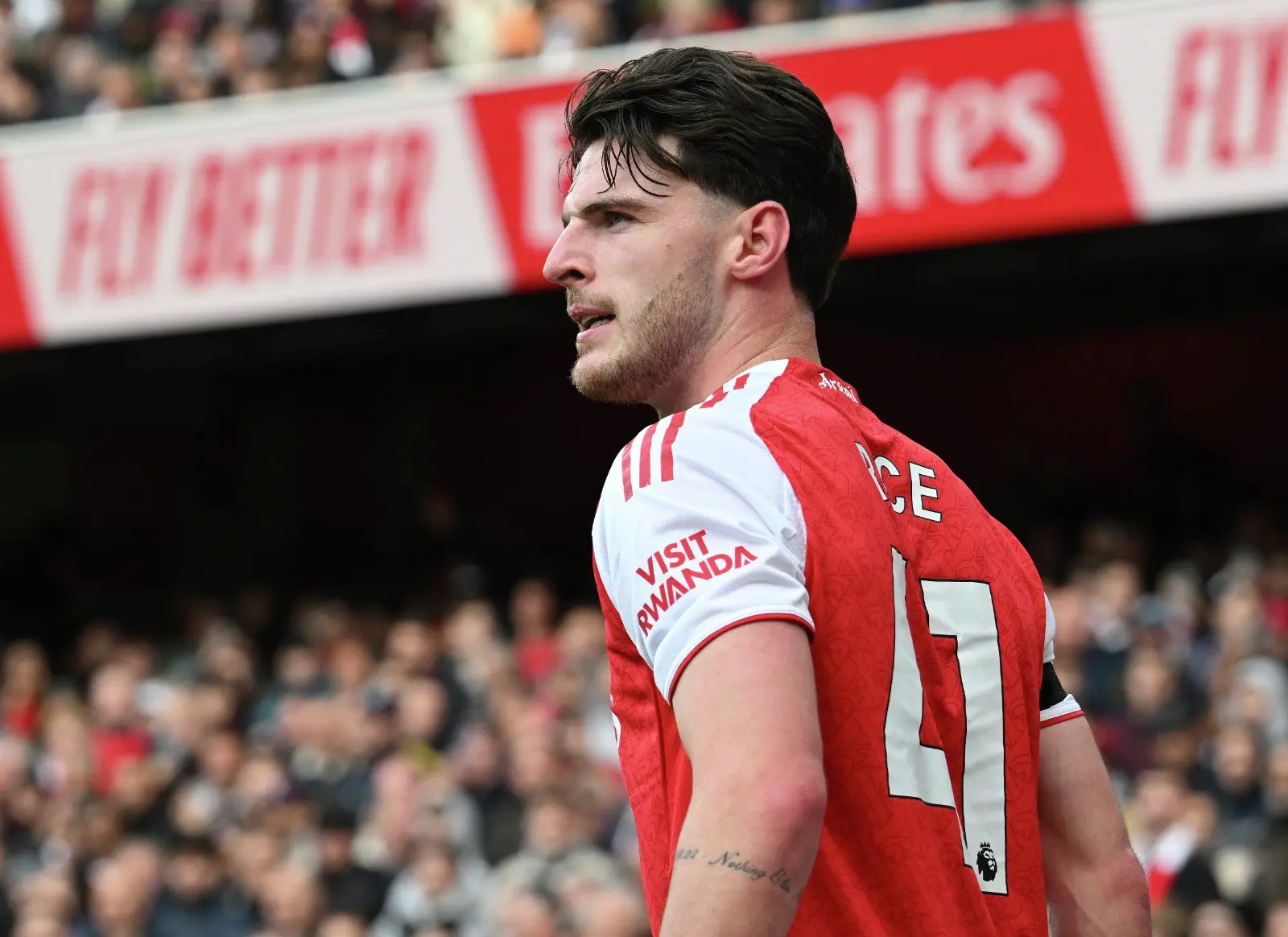
Rwanda has done it again, only bigger. The landlocked African country has secured a multi-year partnership with Aston Villa Football Club, becoming the club’s Principal Partner, Official Tourism Partner and Official Coffee Provider. The exact number of years has not been publicly specified. This deal extends to front-of-shirt sponsorship for the men’s, women’s and academy teams. Reports indicate the partnership could be worth up to £20 million per year (approximately R440 million), including performance bonuses, marking one of the most lucrative in Villa’s history.
This agreement builds on Rwanda’s established strategy of leveraging high-profile sports partnerships to elevate its international profile. Far from a frivolous expense, it represents a calculated investment in nation branding, tourism promotion and export diversification for one of Africa’s fastest-growing economies.
In a financial breakdown of costs and expected returns, Rwanda’s sponsorships are funded primarily through the Rwanda Development Board (RDB) and tourism-related revenues, not direct foreign aid. For the Aston Villa deal, annual costs are estimated in the £10–20 million (R220 million - R440 million) range depending on bonuses, significantly higher than previous sleeve deals but aligned with Villa’s rising Premier League status.
Previous Arsenal partnership (2018–2025/26): A three-year initial deal worth around £10 million annually (R220 Million) Over eight years, Rwanda invested roughly $80–100 million cumulatively across similar deals.
What Rwanda aims to get in return:
Massive media exposure: Premier League matches reach hundreds of millions globally. Arsenal’s partnership alone generated an estimated $160 million in equivalent advertising value in a peak year through branding, player visits and content.
Tourism surge: Visitor arrivals grew to 1.3–1.4 million by 2024, with revenues hitting $650 million—a 47% increase since the Arsenal deal began. This reflects broader growth from under $500 million pre-partnership levels.
Investment and trade: Branding as a stable, innovative destination attracts FDI in hospitality, tech, and agriculture. Rwandan coffee gains premium visibility in stadium cafes and global markets.
Soft power and diaspora engagement: Partnerships facilitate cultural exchanges, football development programs, and high-level networking.
For context, Rwanda’s tourism sector now contributes significantly to GDP (around 7–10% directly/indirectly), foreign exchange earnings and employment. A single high-profile event or sustained campaign can yield millions in Pound Sterling; scaled globally via football, the multiplier effect is substantial. Projections suggest continued partnerships could push tourism toward $800 million+ annually.
Benefits from the Arsenal Partnership and Spin-Offs are huge. The Arsenal “Visit Rwanda” sleeve sponsorship delivered tangible results. Tourist arrivals rose notably from Europe and Asia, with an 8%+ increase in early years and sustained momentum. Revenues grew from ~$498 million in 2018 to $650 million by 2024, outpacing some baseline trends despite global disruptions like COVID.
Spin-offs included job creation in hospitality, guiding and related services. There is also infrastructure development to accommodate visitors. The spin-offs include an enhanced national brand where Rwanda is positioned as a safe, visionary African success story, contrasting conflict narratives in the region. There’s also the booming coffee exports boosted through official supplier status and experiential marketing. Lastly, football legacy: Grassroots programs and youth engagement, aligning with Rwanda’s sports diplomacy.
Player visits, match-day hospitality and digital campaigns amplified Rwanda’s story of post-genocide transformation, conservation (mountain gorillas) and innovation.
This partnership has positive implications for an African country and its economy. For Rwanda, a landlocked nation with limited natural resources, this strategy exemplifies smart commercial diplomacy. Tourism is a high-multiplier sector. Every dollar and pound spent by visitors circulates locally in services, unlike volatile commodity exports. It creates inclusive jobs for women and youth, supports SMEs and generates hard currency to fund imports and debt servicing without heavy reliance on raw exports.
In Africa’s context, where many nations struggle with negative perceptions, proactive branding counters this. Rwanda’s approach mirrors successful models like Qatar or UAE using sports for diversification. It signals confidence, attracting premium tourists and investors who value stability and uniqueness. Economically, the ROI appears favorable. Even conservative estimates suggest tourism gains have exceeded sponsorship costs multiple times over, with compounding effects on GDP growth (Rwanda has averaged 7–8% annually in recent years).
Is this amount of spending and investments worth it for a developing country? Well, critics argue that a developing nation receiving aid should rather prioritize domestic spending in health, education, agriculture and poverty alleviation over “subsidising” European football clubs. The Arsenal deal drew outrage in donor countries, with accusations of misplaced priorities amid poverty challenges, though Rwanda has made strides in reducing extreme poverty. This view has merit if funds were diverted from core social services, but evidence suggests otherwise: deals use targeted marketing budgets and tourism revenues directly fund broader development. Opportunity costs exist. Direct investments in local farming or infrastructure could yield benefits but lack the rapid global visibility and forex inflows of branding. Football sponsorship is not zero-sum. It’s leverage. Rwanda’s tourism growth has outpaced many peers, supporting poverty reduction through employment.
However, success depends on execution. Converting exposure into actual visits requires infrastructure, security and policy continuity. Over-reliance on image management risks accusations of “sports-washing” if governance issues persist. Data transparency on exact ROI would strengthen the case.
Ultimately, Rwanda’s strategy is a pragmatic bet on globalisation. In an interconnected world, soft power and economic diplomacy can accelerate development faster than isolated local spending. The Aston Villa partnership, emphasizing tourism and coffee, continues this trajectory, positioning Rwanda as an African leader in innovative growth. If returns mirror or exceed the Arsenal experience, it will validate spending foreign currency on European platforms as a high-ROI catalyst, not a luxury. For a small, ambitious nation, elevating its brand on the world’s biggest stage may be one of the smartest investments in its future.

 English (US) ·