 1 hour ago
1
1 hour ago
1
SEE YOUR AD HERE
We face a systemic failure that spreadsheets alone cannot measure: a hollowed-out state capacity that leaves citizens feeling abandoned. The unemployment that crushes generations, failing services and the constant undercurrent of insecurity are not manufactured. They are real and they bite hard. When your own life feels precarious, the instinct to find a scapegoat becomes almost primitive
29 JUN 2026, 15:51
3 min read
In Christopher Nolan's The Dark Knight, the Joker orchestrates a sadistic social experiment. He rigs two ferries with explosives — one carrying ordinary civilians, the other convicted criminals. He gives each boat the detonator to the other and sets a midnight deadline: blow up the other ferry or he destroys them both. It is a psychological trap designed to prove that, when people are scared and desperate enough, they will turn on each other without hesitation.
Lately, that twisted cinematic dilemma has felt less like fiction and more like our daily reality.
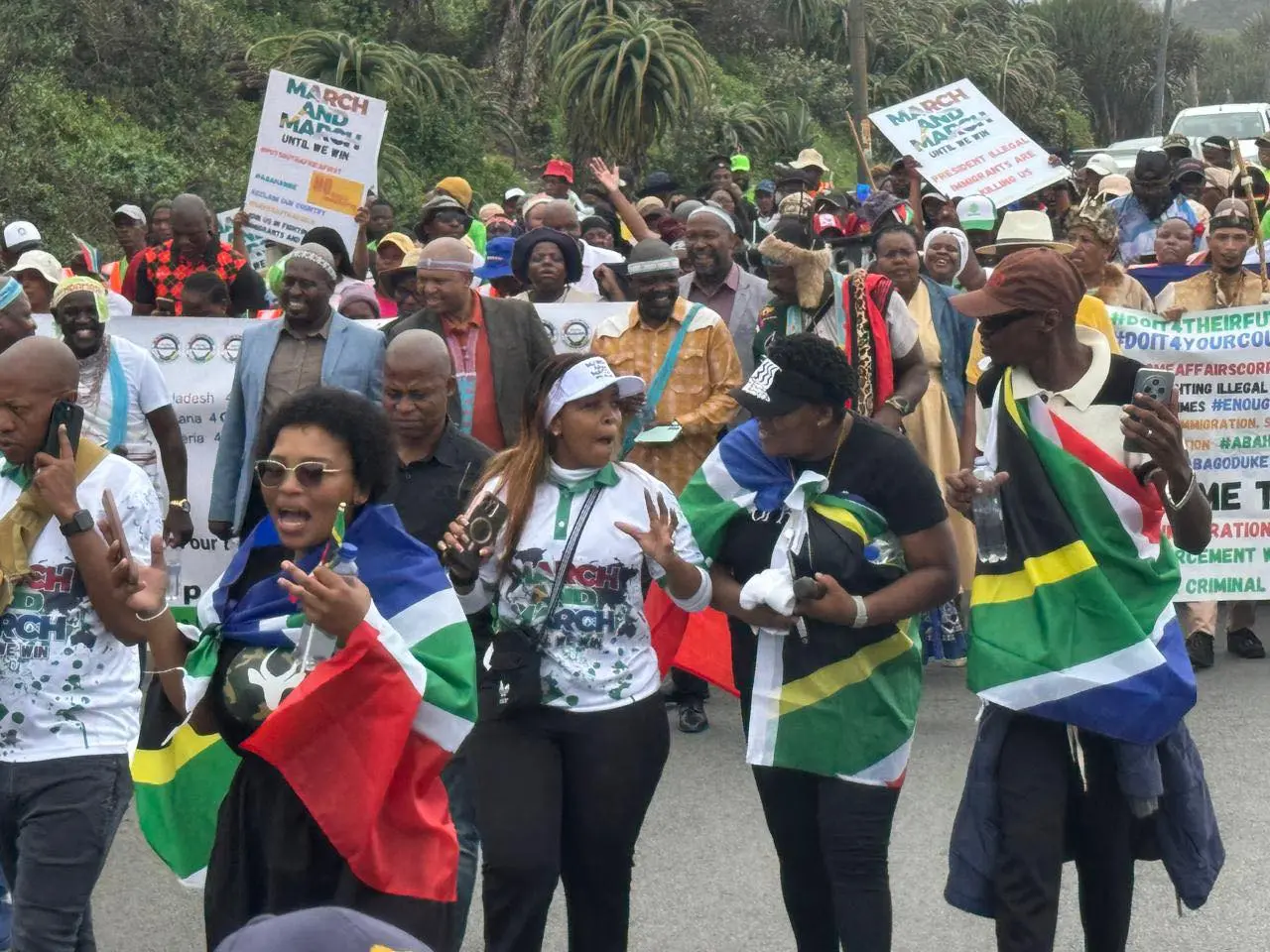
My soul crumbled this week reading reports from the Gauteng legislature. MEC Lebogang Maile described a heartbreaking scene: undocumented children left stranded in schools because their parents, terrified by the looming June 30 deadline, had already fled the country. These children are arriving at school only to find their guardians gone, families abruptly fractured by a pervasive, manufactured fear.
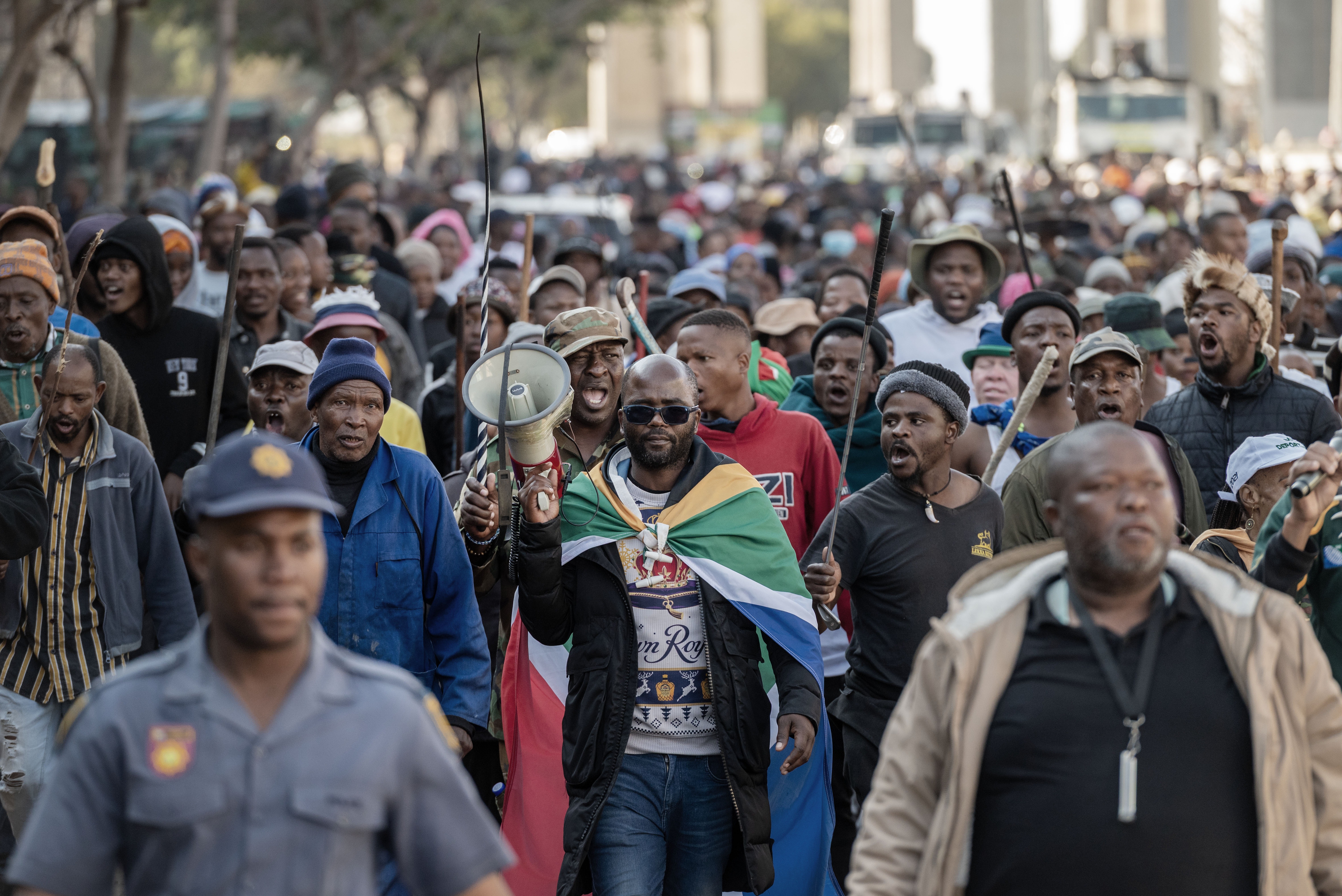
This is the human underside of the unofficial ultimatum issued by vigilante protest groups demanding that undocumented foreigners leave South Africa by June 30. Immigration enforcement is the exclusive function of the state, not the responsibility of mobs or street-level movements. Yet the fear has taken on a life of its own and the most vulnerable — children sitting guardianless in classrooms — are carrying the burden.
It is easy to see why this trap is so seductive. To live in South Africa is to feel a daily grind in your bones. We face a systemic failure that spreadsheets alone cannot measure: a hollowed-out state capacity that leaves citizens feeling abandoned. The unemployment that crushes generations, failing services and the constant undercurrent of insecurity are not manufactured. They are real and they bite hard. When your own life feels precarious, the instinct to find a scapegoat becomes almost primitive.
But this is exactly when we must ask the question the Joker gambled we would fail: when they hand you the detonator, what are you going to do with it?
Chuck Palahniuk once wrote that we are the middle children of history — no great war, no great depression. Our war is a spiritual one; our depression is our lives. In South Africa right now, that spiritual war is immediate. It is not about external enemies; it is about whether we will let fear push us into pressing the button on the other ferry — scapegoating the vulnerable while innocent children sit alone in our schools — or whether we have the moral courage to refuse the rigged choice entirely.
Our Constitution was forged in pain for exactly these moments. It insists that human dignity is not a scarce commodity to be rationed based on documentation. Yes, legal immigration control is a necessity, one that requires stronger management and real enforcement but we risk our national soul when that pursuit starts stranding children and mirroring the Joker's sadistic game.
As June 30 draws closer, the detonator is in our collective hands. We do not have to blow up either ferry. We can demand that the state does its job properly through accountable, lawful channels rather than ceding ground to street ultimatums. We can insist on both order and basic humanity and channel our energy into the harder, more honest work of fixing what is truly broken at home — the economy that is not delivering and the services that keep letting us down.
My soul may have crumbled when I read about those children but it will not remain dust. The conscience of this country has surprised the world before by choosing better. It is time we do it again.
The midnight deadline is artificial. The moral choice is painfully real. Let us make the right one.
Sphesihle Nxumalo is a Pan-African writer

 English (US) ·